
Optimal Seasons for Foundation Repairs
Foundation repairs are most effective when performed during specific seasons and weather conditions. Proper timing can help ensure the stability of the structure and the longevity of the repair work. Understanding seasonal impacts and weather patterns is essential for scheduling foundation maintenance.
Spring offers moderate temperatures and less extreme weather, making it suitable for foundation work. Moist soil conditions can facilitate certain repair methods, but excessive rain may cause delays.
Summer provides longer daylight hours and warm weather, ideal for many repair projects. However, high temperatures and dry soil can pose challenges for certain types of foundation work.
Fall often presents cooler temperatures and stable soil conditions. It is a favorable time for foundation repairs before winter sets in, reducing the risk of frost-related issues.
Winter is generally less ideal due to freezing temperatures and frozen ground. Repairs during this time may be limited or require special precautions, but in mild climates, some work can still be performed.
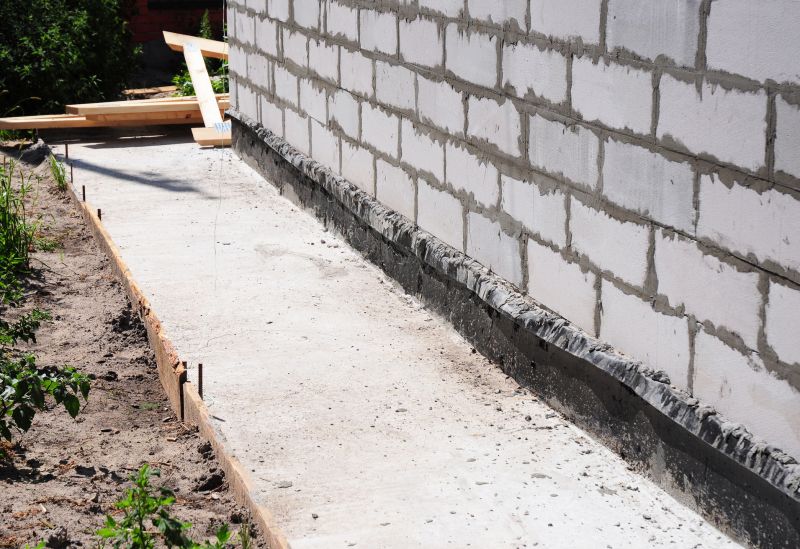
Spring's moderate conditions help facilitate soil stabilization and repair processes.
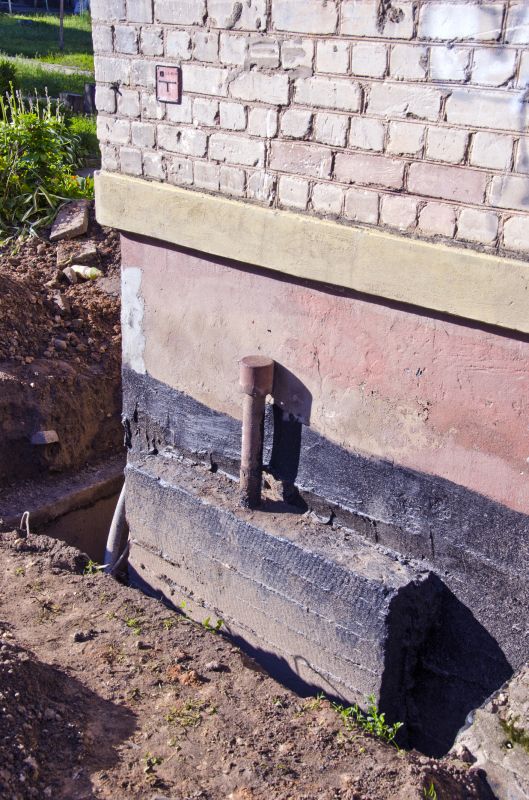
Warm weather allows for efficient completion of repairs, especially in dry conditions.
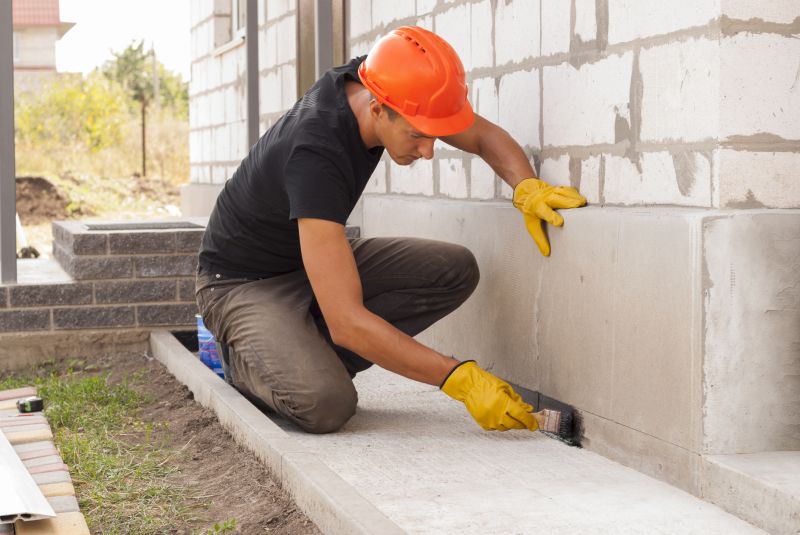
Fall's cooler temperatures help prevent soil movement and frost-related issues.
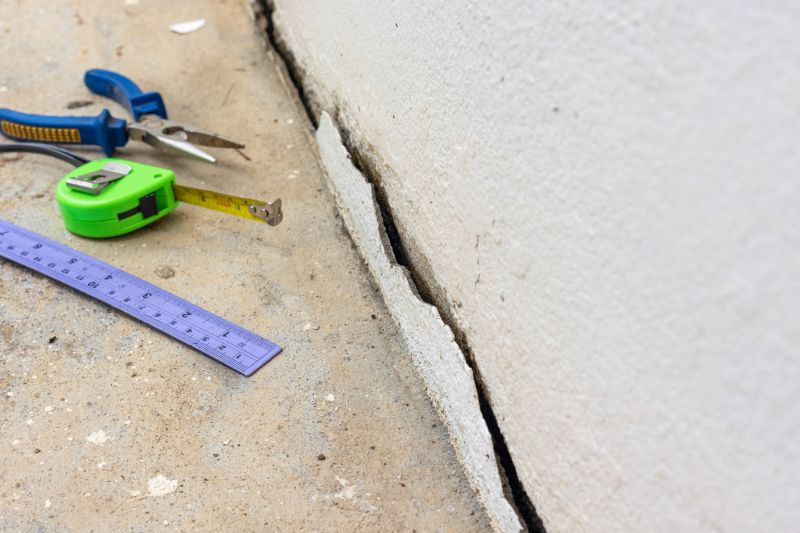
Ways to make Foundation Repairs work in tight or awkward layouts.
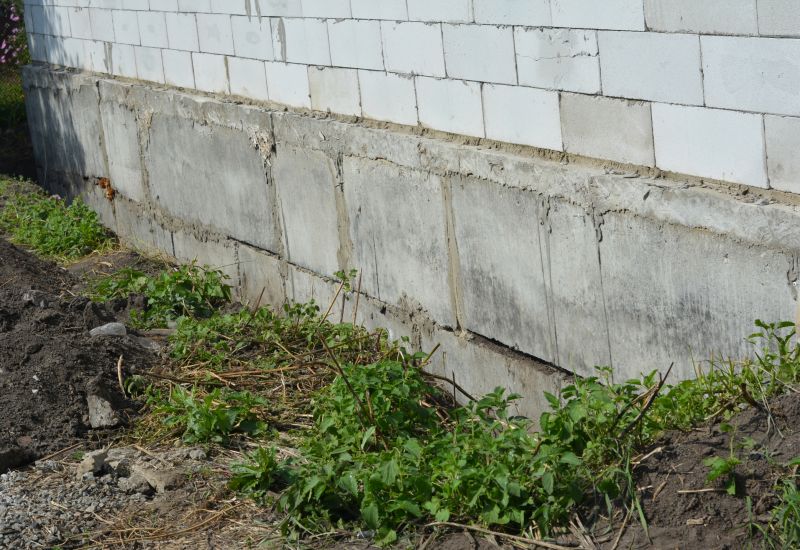
Popular materials for Foundation Repairs and why they hold up over time.
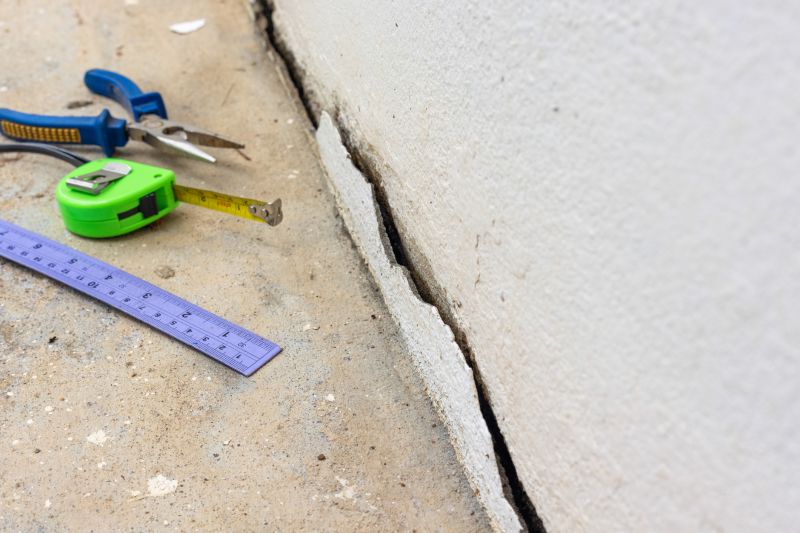
Simple add-ons that improve Foundation Repairs without blowing the budget.
| Season | Optimal Conditions |
|---|---|
| Spring | Moderate temperatures, increased soil moisture |
| Summer | Warm weather, longer daylight hours |
| Fall | Cooler temperatures, stable soil |
| Winter | Limited, in mild climates only |
Foundation repairs involve addressing issues such as cracks, settling, and shifting that can compromise structural integrity. Timely repairs can prevent further damage and costly renovations. Factors influencing the best time for repairs include soil conditions, weather patterns, and the type of repair needed. For example, soil expands and contracts with moisture levels, which can impact the success of certain repair methods. Properly timed repairs can reduce the risk of additional movement and improve long-term stability.
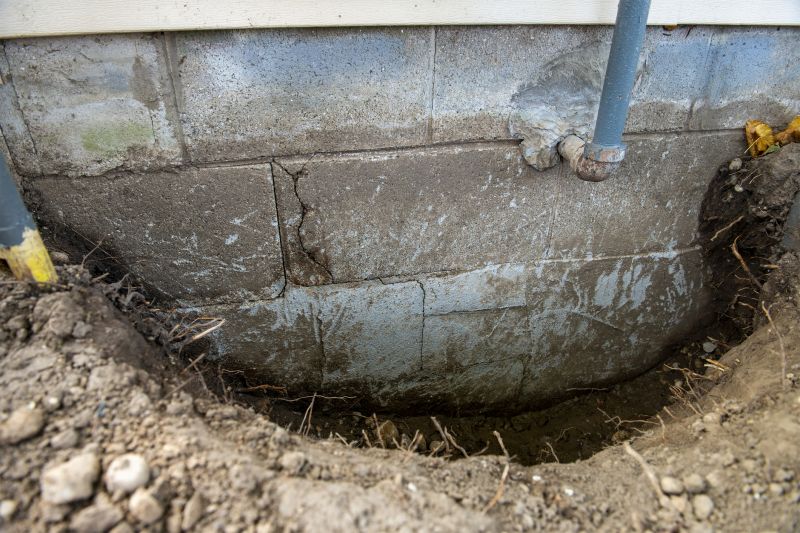
Cracks can develop due to soil movement or settling and require timely attention.
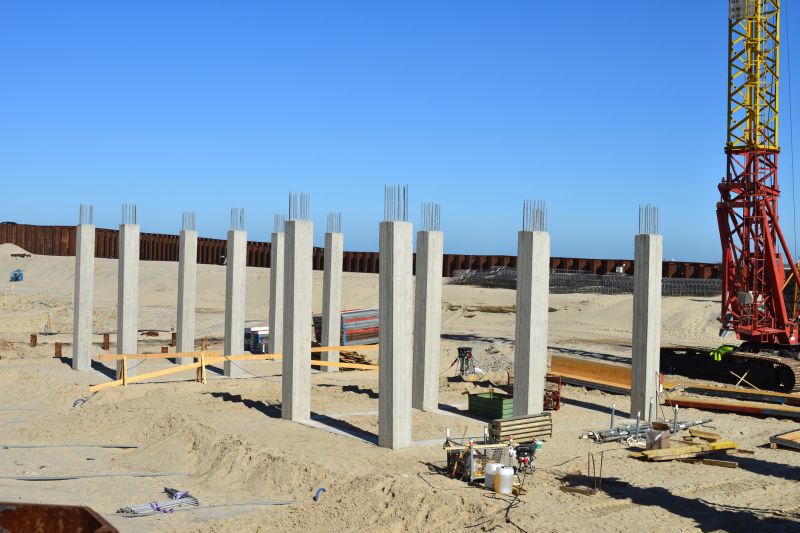
Piering stabilizes the foundation and is often performed in favorable weather conditions.
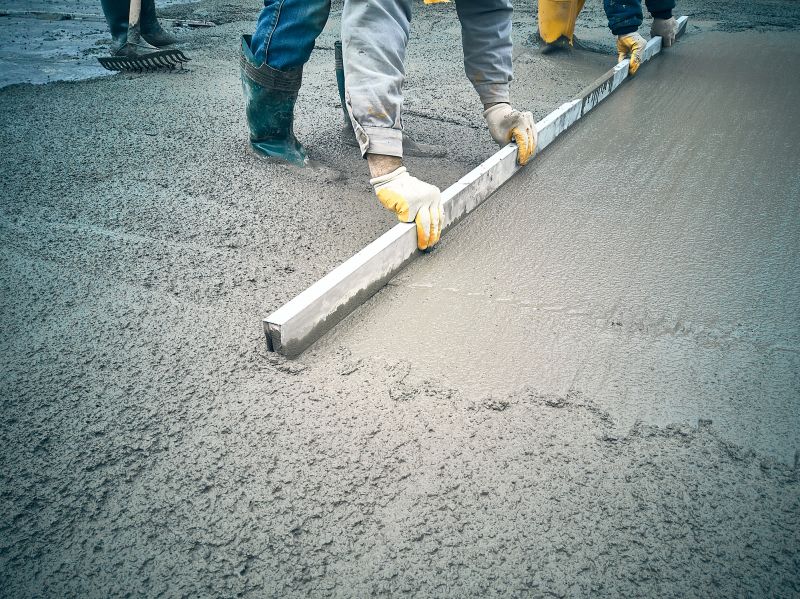
Addressing uneven slabs involves soil stabilization techniques suitable for specific seasons.
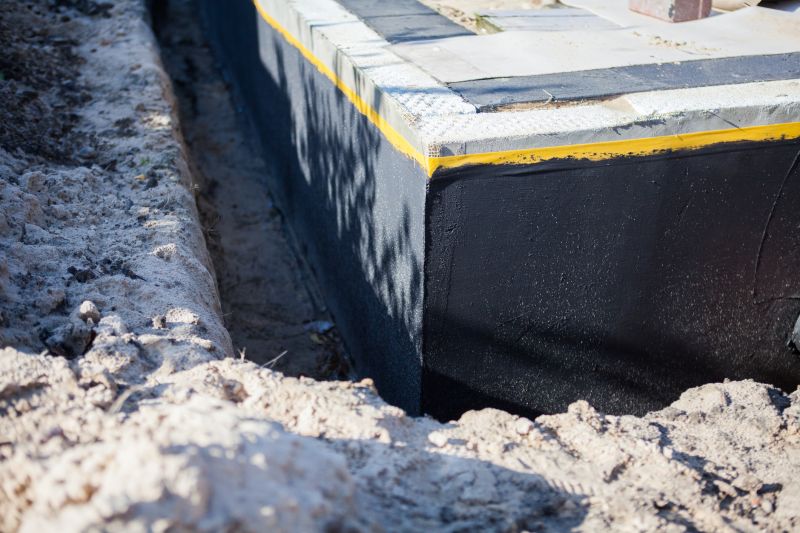
Proper waterproofing during optimal weather prevents future water-related damages.
Choosing the right time for foundation repairs can significantly influence the durability and success of the work. Seasonal considerations, such as avoiding frozen ground or excessive moisture, help ensure repairs are effective and long-lasting. Consulting with foundation specialists can provide insights into the best timing based on local climate conditions.
Interested in foundation repairs? Filling out the contact form can help schedule an assessment during the most suitable season, ensuring the repair process is efficient and effective. Proper timing and professional expertise are key to maintaining the stability of a property.